Turn a complex tender into clear decisions.
We help technical B2B teams make sense of demanding RFPs and tenders. Our initial specialist focus is data centres and digital infrastructure — but the method applies wherever requirements, evidence and approvals are complex. We start with a requirements map, evidence-gap register and human-approved response plan. Your team owns the decisions and submits under its own name.
No client material · no autonomous approval or submission · no performance claim
The tender lands. The clock is already running.
Days, not months
Data-centre tenders arrive with compressed response windows — and the clock starts before the right people are even in the room. The window closes whether your team is ready or not.
A missed mandatory can sink the bid
Missing a mandatory requirement can make a response non-compliant — and, depending on the procurement rules, disqualifying — however strong the engineering answer. Most of that risk sits in the extraction, not the writing.
Engineers off the tools
Most of a bid response isn't writing. It's finding last year's answer to the same security question, re-formatting a pricing table, chasing an SME who's on holiday — with senior engineers pulled off billable work to do it.
The ten-business-day target, day by day.
Material points are tied back to the source they came from, and a human reviews the work before it reaches you. The sequence below is the intended shape of a sprint, not a guaranteed deliverables set — it assumes a complete tender pack and your inputs available from day one, and the scope, target and drafting depth are validated against your tender during the paid Bid Readiness Diagnostic. It is a target, not a guaranteed delivery date, and we do not guarantee a tender result.
Intake & extraction
We map each identified in-scope requirement — including headings, evaluation criteria, deadlines and mandatory flags — then build the compliance matrix. Ambiguities and unresolved items are flagged for human review before drafting.
Evidence-backed drafting support
Where the Diagnostic shows the evidence exists, we support drafting on the sections agreed in scope — worked from your own past bids, case studies and technical library rather than generic boilerplate, with each material point tied to the source it came from. Depth and coverage depend on readiness; we do not invent missing evidence, and your team owns the factual, technical, commercial and pricing content decisions.
Senior review
A senior human reviews the work before it reaches you — nothing goes out on machine confidence alone, and open questions and evidence gaps stay visible rather than being written over. An executive summary pack can be produced where it is agreed in scope; it is optional and separately scoped, not a standard output of every sprint.
Handover for your review
You receive what was agreed in scope — the requirements and compliance view, the evidence-gap register, the response plan and any drafted sections — for your team's review. Your team makes the final content decisions, retains review and approval authority, and submits under your own name.
Scoped outputs, agreed before we start.
The exact deliverables set is agreed in scope before mobilisation. This is what an engagement can include, not a guaranteed or complete list — what applies to your tender is confirmed during the Bid Readiness Diagnostic.
Requirements & compliance view
Requirement by requirement, mapped to your response, with mandatory and scored criteria tracked where the tender supplies them. An Excel export is available when included in scope.
Evidence-gap & ownership register
What evidence exists, what is missing, who owns each answer, and which clarifications and risks to raise first. Unknowns stay visible rather than being filled in.
Drafting support, in scope
Support on the sections agreed in scope, worked from your own material, with each material point traceable back to the bid, case study or document it came from. Not a complete drafted submission produced by us.
Clean handover — yours to review and submit
Your team retains final review, approval and submission responsibility, and the response goes out under your name. We hand over everything produced in scope, with nothing held back and no lock-in.
Chosen per engagement, never assumed.
You buy the outcome, not a stack. None of the capabilities below are included by default or integrated into a single platform. Each is optional, considered per engagement and separately scoped, with the environment and data boundary agreed before use.
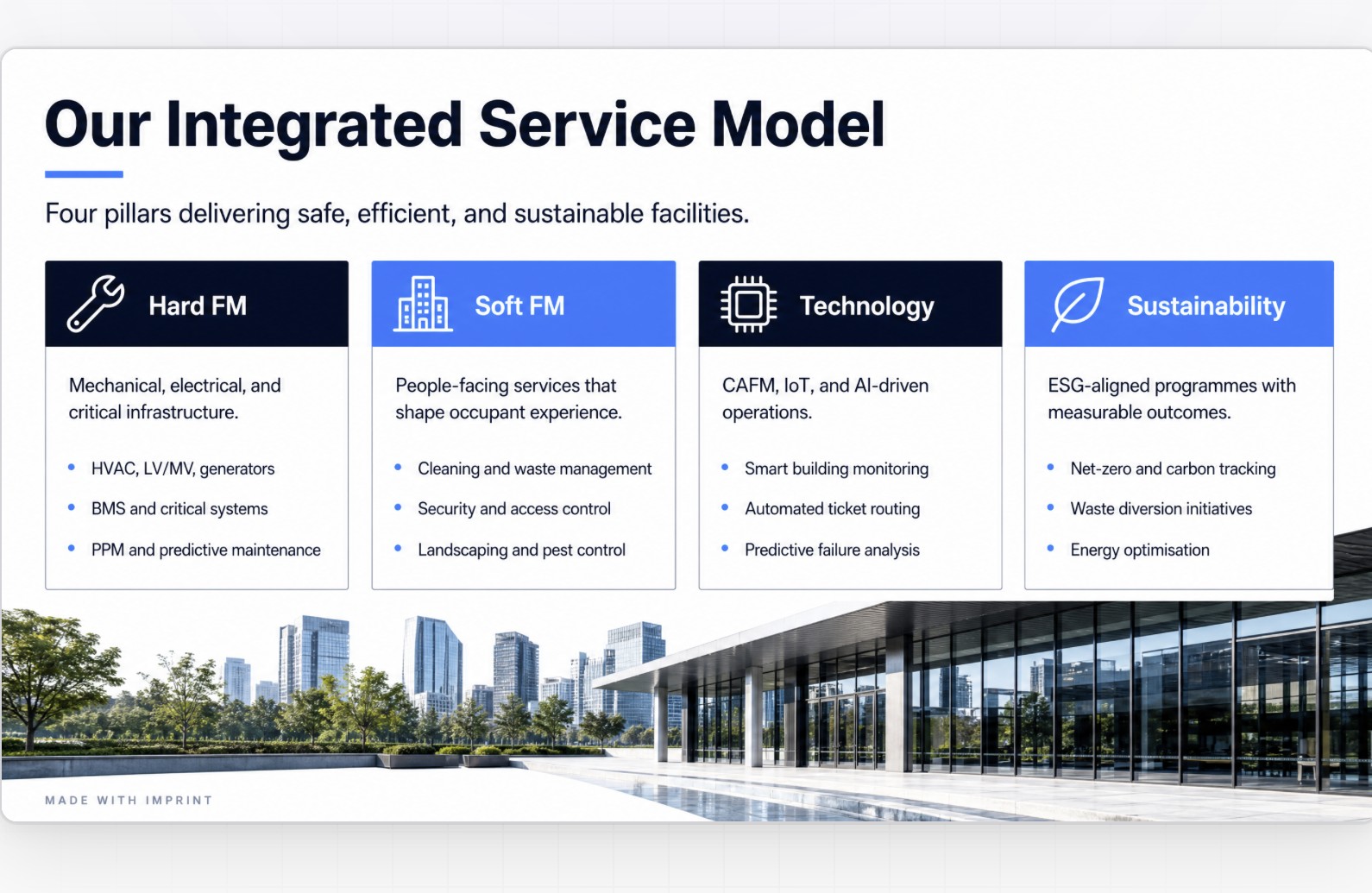
Executive pack support
Where an approved executive summary pack is in scope, Imprint may support producing it. Optional and separately scoped—a controlled manual pack is the fallback.
Explore Imprint →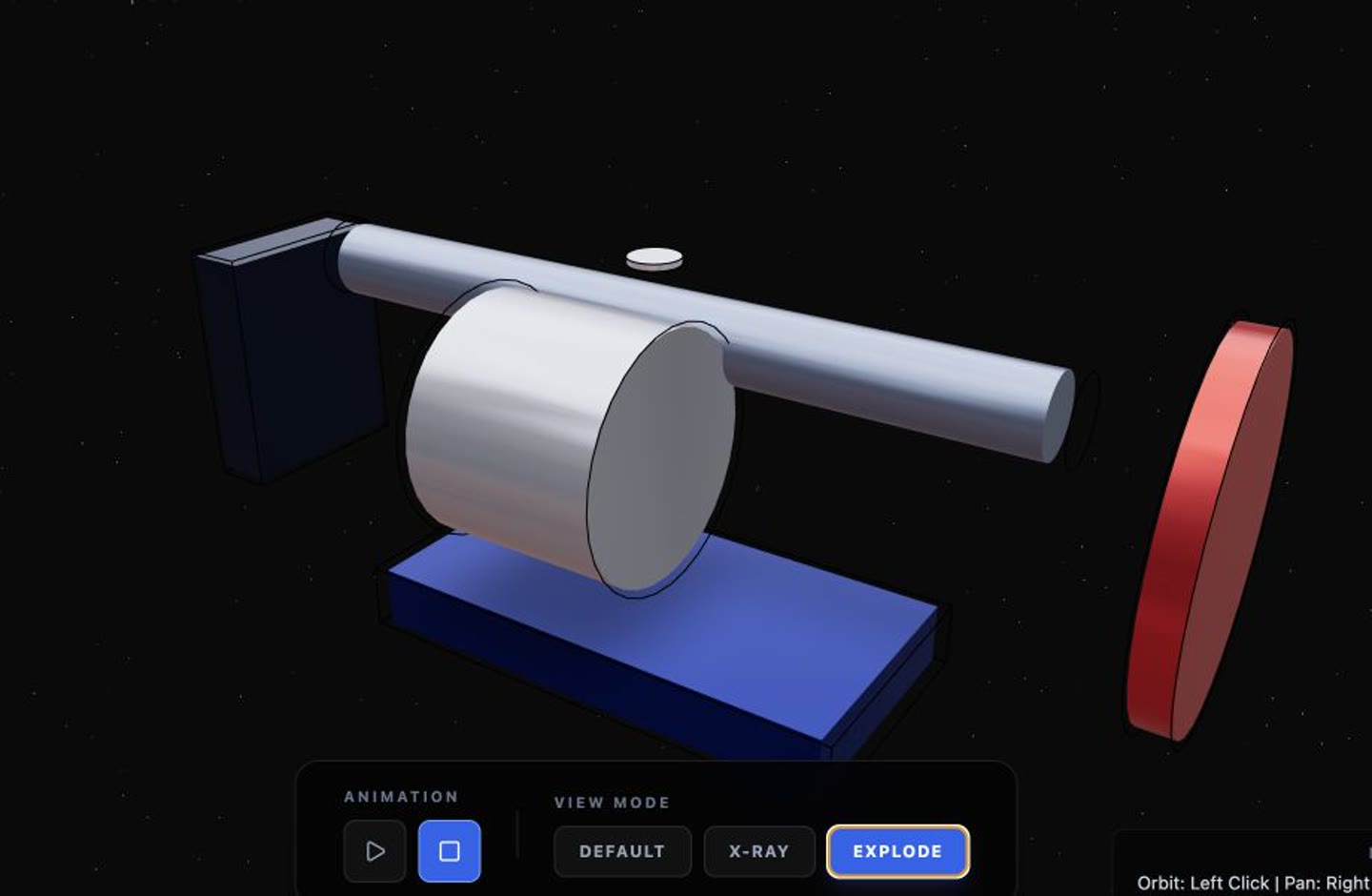
A visual where it explains a decision
An interactive 3-D visual may be considered where it genuinely explains a decision. Demonstrations are synthetic; no engineering, simulation or operational assurance is implied.
Read the Twin boundary →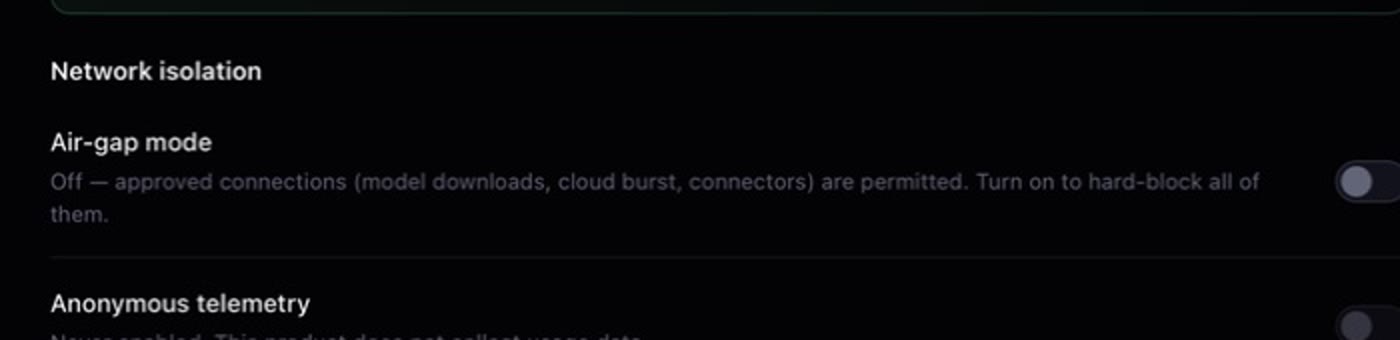
A governed deployment route
Where buyer requirements justify it, a local or governed route may be considered. The exact data route, permitted connections, controls and retention are agreed case by case.
Explore Strive Private AI →Your bid library is the crown jewels. Treated accordingly.
- 01Confidentiality terms and the accountable parties are agreed before material moves.
- 02The data route and working environment are documented for the engagement.
- 03Model/provider terms and any training use are checked and agreed before use.
- 04Retention, return and deletion arrangements are written into the engagement.
The data route, environment, access, retention and deletion are agreed in writing before material is accepted. We do not make a blanket zero-egress, air-gap, sovereign or certified-security claim across every engagement.
One tender. One bounded first step.
You judge the work on your own bid rather than a demo — and any later work is separately scoped only once readiness is understood.
Scoped to one live or recent tender and a bounded source set. We produce the requirements and compliance view, the evidence-gap and ownership register, risk and clarification priorities and a human-approved response action plan — so you judge the work on your own bid rather than a demo. It is a decision artefact, not a drafted submission and not a guarantee of a tender result. Any later drafting or managed-delivery work is separately scoped after readiness and client-input gates are understood. As internal pricing hypotheses only: the first two founding design-partner Sprints have been costed at £10k–£15k, and a standard Sprint at £20k–£30k once benchmarks and scope are validated — these are not live purchasable tiers and not evidence of a proven service.
Indicative launch range — final scope and price are agreed before mobilisation.
The next tender window won't wait.
Thirty minutes — we'll walk the synthetic tender and decide together whether a Bid Readiness Diagnostic is the right first step.
or email info@strivetech-ai.com Not a bid problem? Our other path is Business Automation.